
Program · Research
Cañada de Rocha
The area around Lo de Urriza was a relay post on the Camino Real and witnessed founding events in the history of Luján and Argentina. We research it so it can be known and valued.
Historical record
The relay post on the colonial map
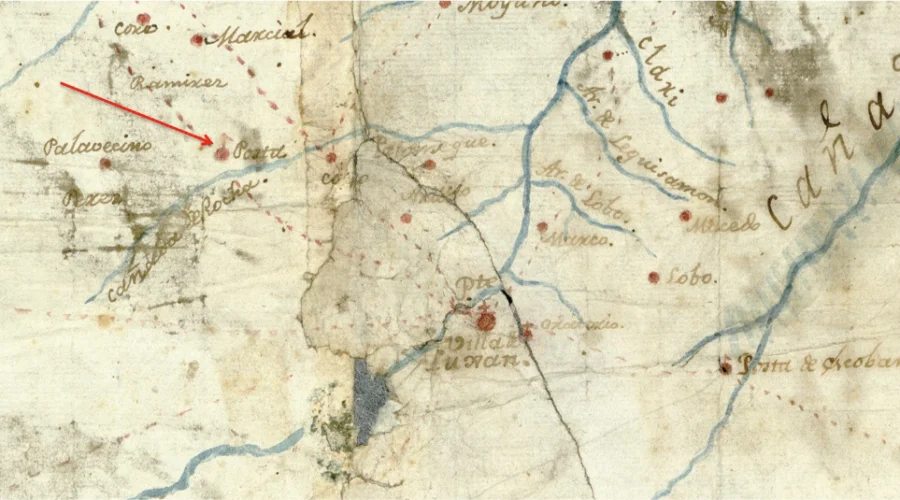
This old map of the Luján area shows the streams, the ranches of the time and, marked by the arrow, the Cañada de Rocha relay post beside the stream that gave it its name.
Why it matters
A crossroads in the humid pampas
Lo de Urriza sits in Cañada de Rocha, near the Luján River, which gathers many of the streams of the region. In prehistoric times it was home to Pampid hunter-gatherers.
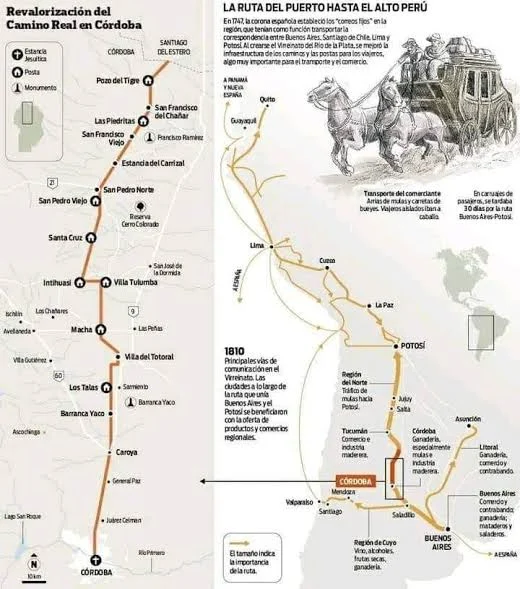
The Camino Real, the royal road, crossed it: the mandatory route between the port of Buenos Aires, Upper Peru (today Bolivia) and Lima, and later between the capital of the Viceroyalty of the Río de la Plata and the interior. It roughly followed today's Route 9, and its branch to Cuyo followed Route 7.
The relay post
Next to the ford across the stream stood the Cañada de Rocha relay post: the first after Luján and the sixth from Buenos Aires, starting at today's Rivadavia Avenue. At Luján travellers had to show papers, as it worked as an inland customs post.
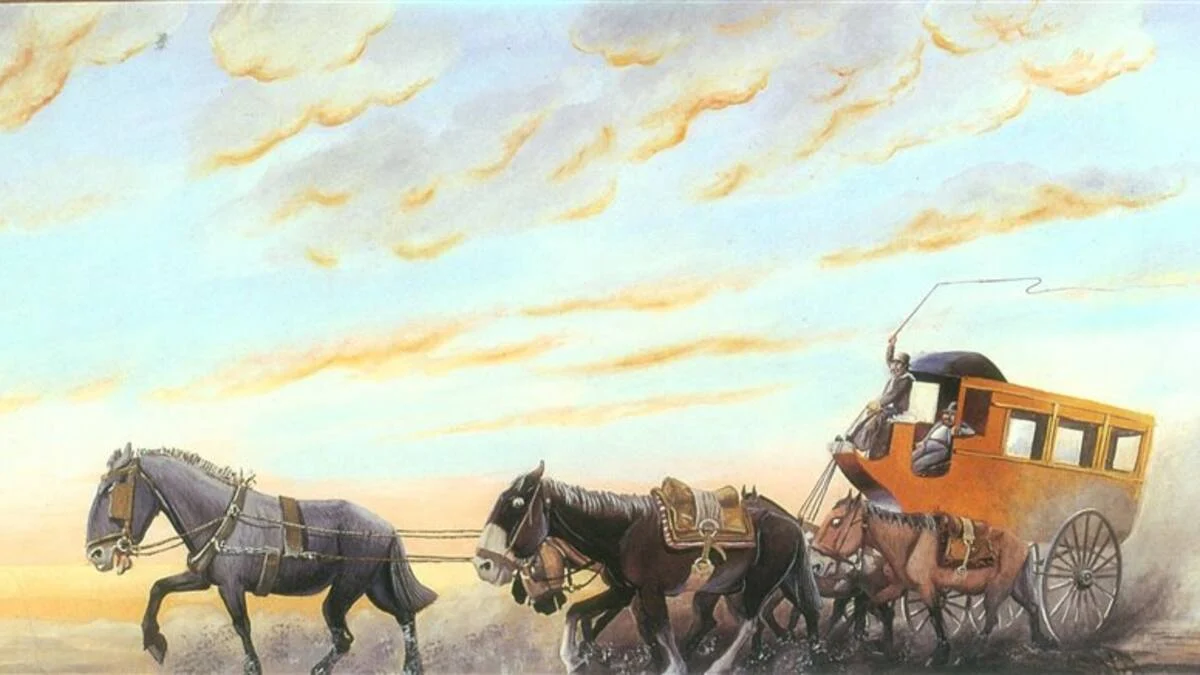
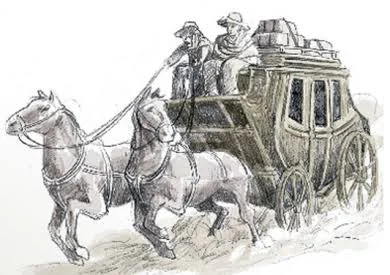
At the relay posts, stagecoach horses were changed and travellers found food and rest before continuing their journey.
Where the name comes from
In the 16th century Juan de Garay granted land up to the Luján River, and later governors kept granting land on both banks. The 1635 survey already names Antonio de Rocha, possibly Portuguese, as a landowner here: the stream, and then the area, took his name.
The Estancia de la Virgen
Ana de Matos donated land for the chapel of the Virgin of Luján, and also the Cañada de Rocha lands to support it. They became known as the "Estancia de la Virgen". In 1755 the town of Luján was founded next to the chapel.
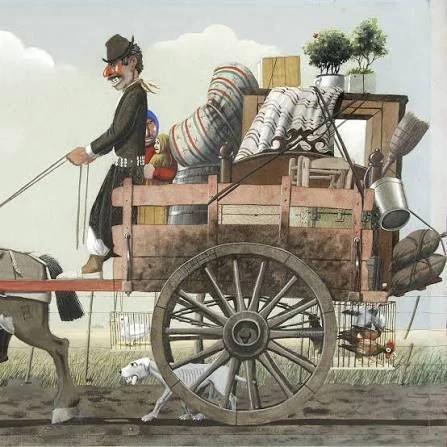
Timeline
- PrehistoryPampid hunter-gatherer peoples.
- 16th centuryJuan de Garay grants land up to the Luján River.
- 1635Antonio de Rocha first appears in a land survey.
- Colonial eraCañada de Rocha relay post on the Camino Real.
- 1755The town of Luján is founded.
- 1881Carlos Keen is founded.
- 1887Buenos Aires to Pacific railway and Urriza's store.
Become a patron
Help us keep researching our history
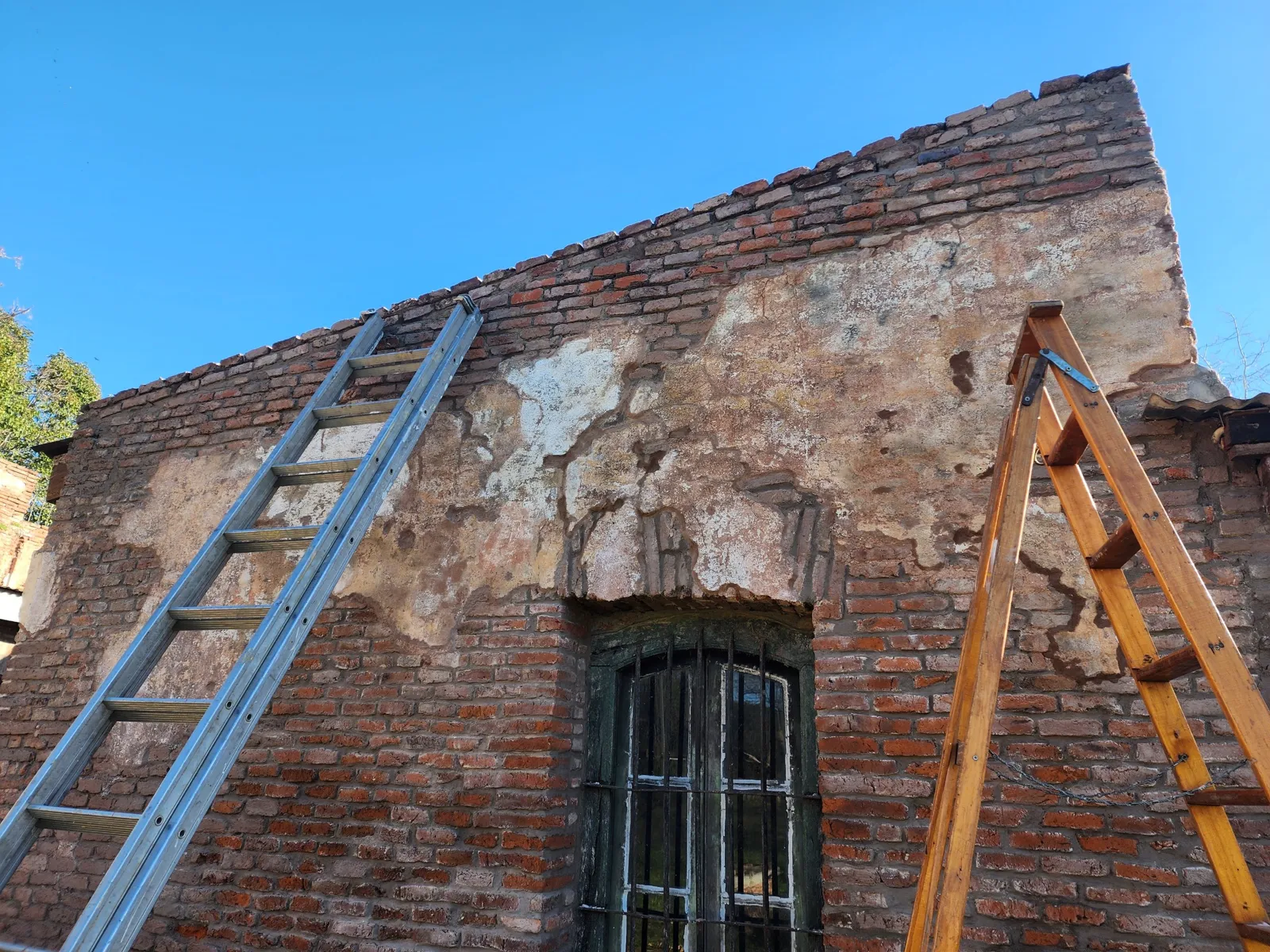
Your gift supports research, the museum's restoration and sharing the heritage of Cañada de Rocha.