
Heritage · Culture · Identity
We promote culture through historical heritage
We create museums, research our past and protect the natural landscape of the pampas so that Argentine history stays alive and open to everyone.
Quick links
What are you looking for?
Programs
Three programs, one story
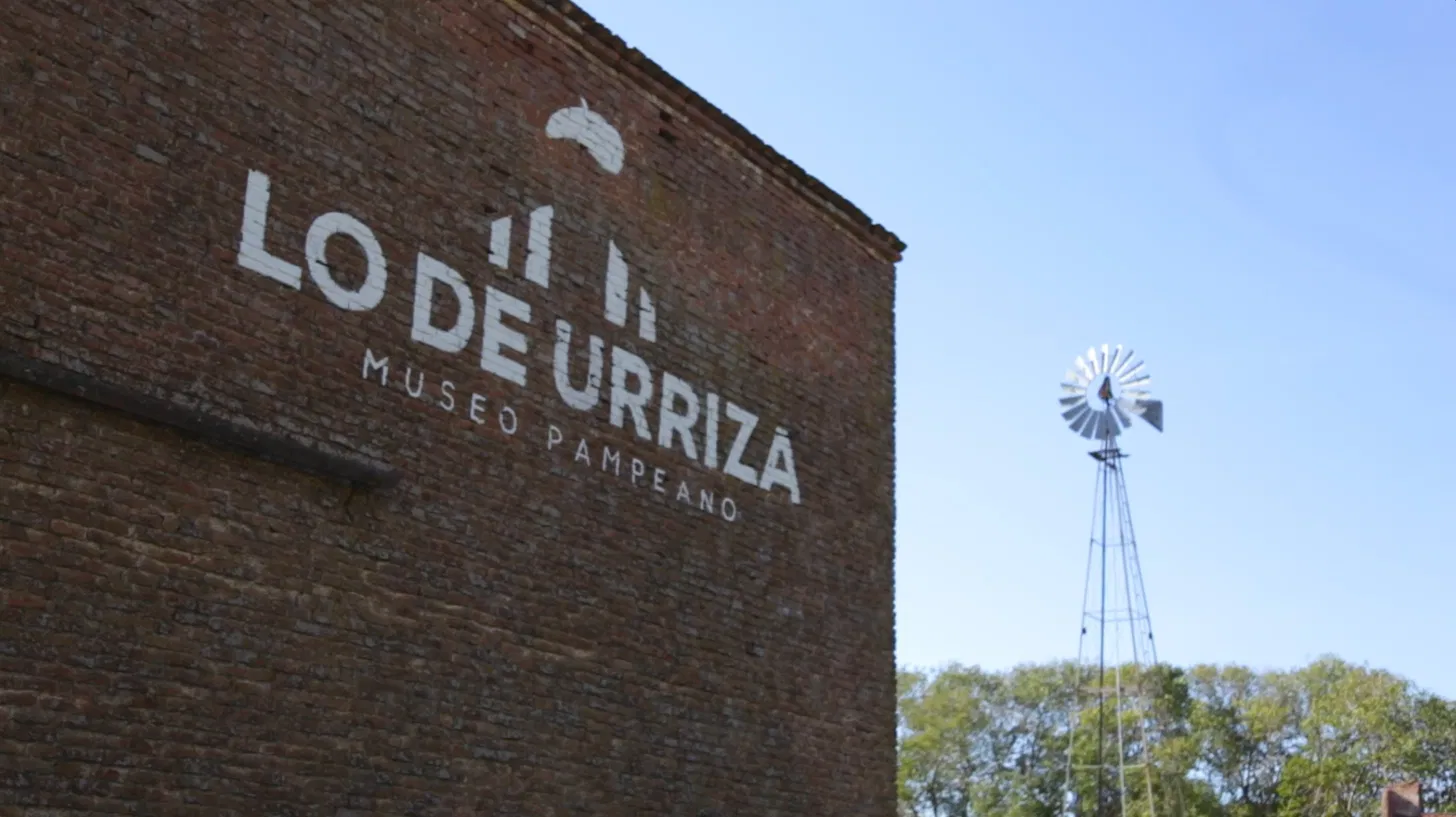
Lo de Urriza. Pampas Museum
An 1887 general store turned into a museum about the landscape, history and cultural diversity of the pampas.
Visit the museum →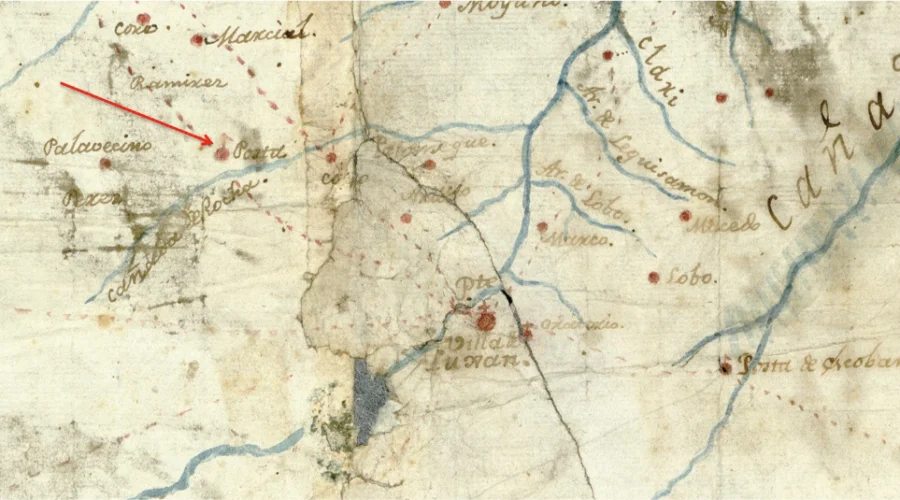
Cañada de Rocha
The story of the place the Camino Real turned into a link between Buenos Aires, Upper Peru and the interior.
Read the research →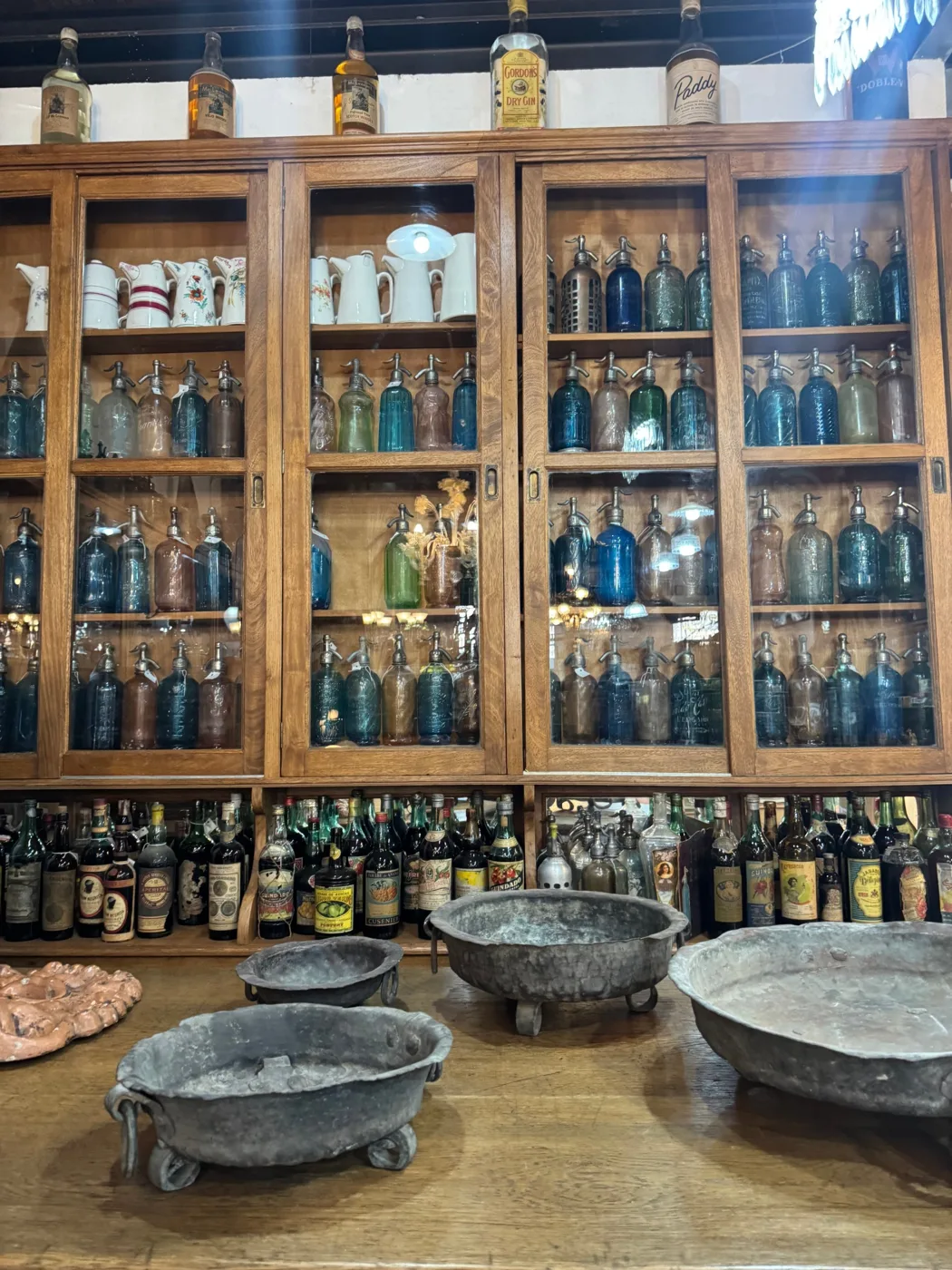
Nocedal Collection
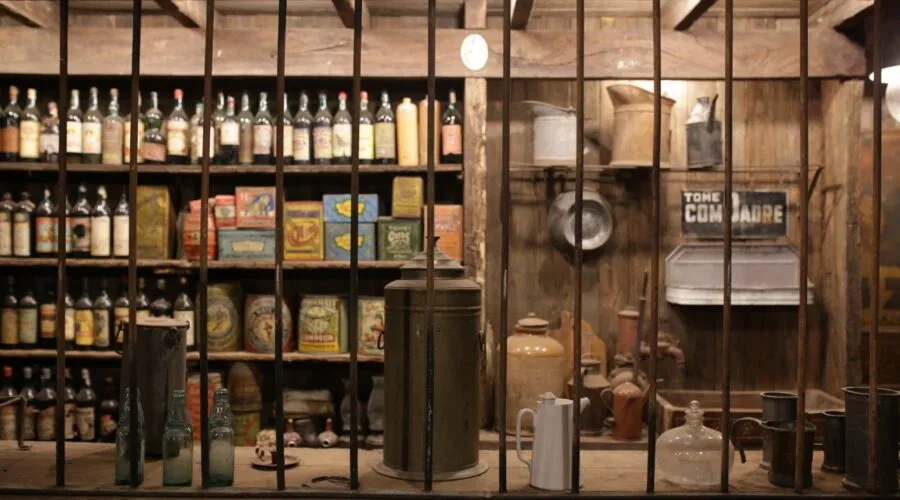
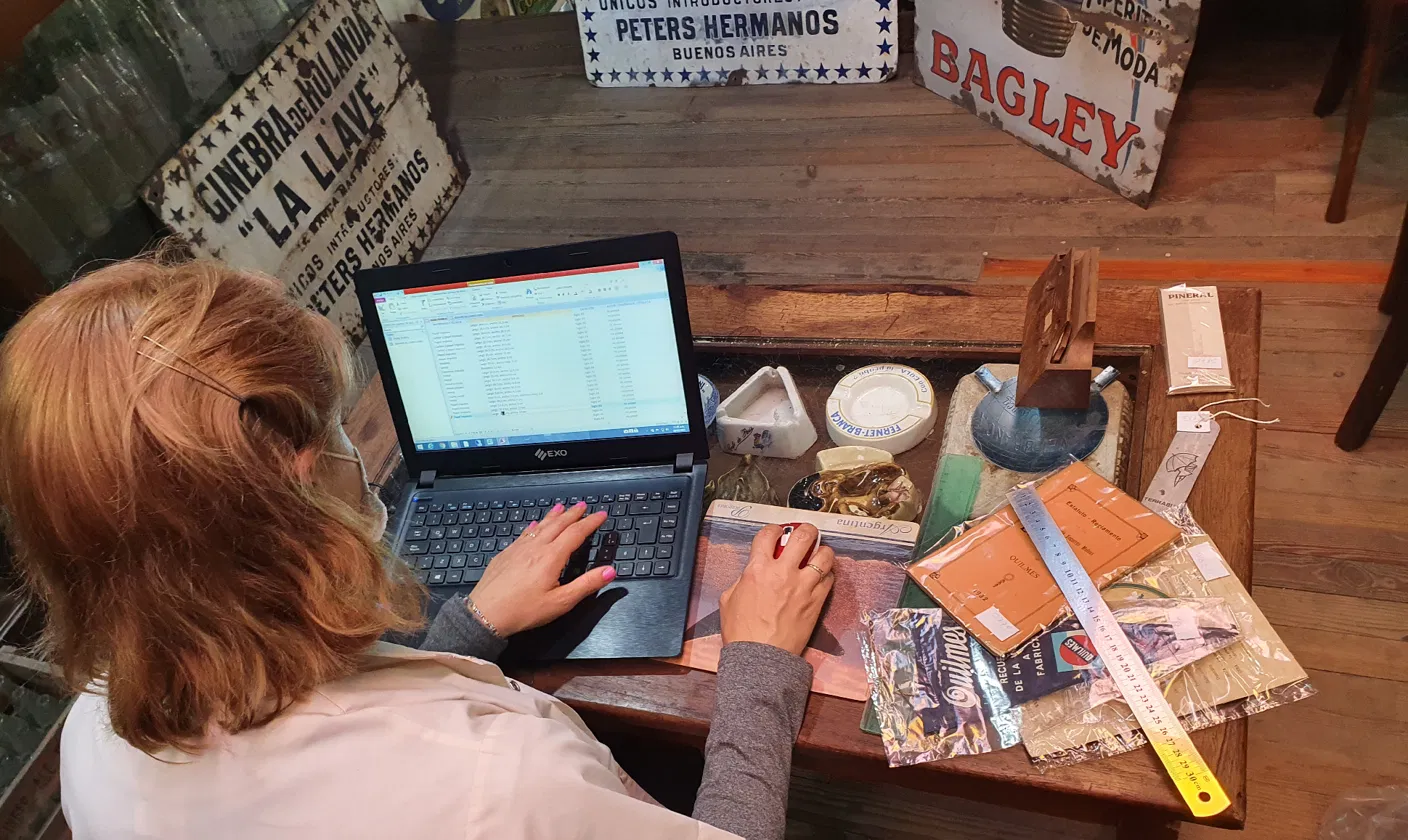
Over 4,000 objects that tell the story of everyday life on the pampas, catalogued by professionals for display.
See the collection →A place with history
From Camino Real relay post to Pampas Museum
Lo de Urriza preserves its house, store and bar, along with the original windmill, stable and dovecote, where the road to Carlos Keen crosses the railway.
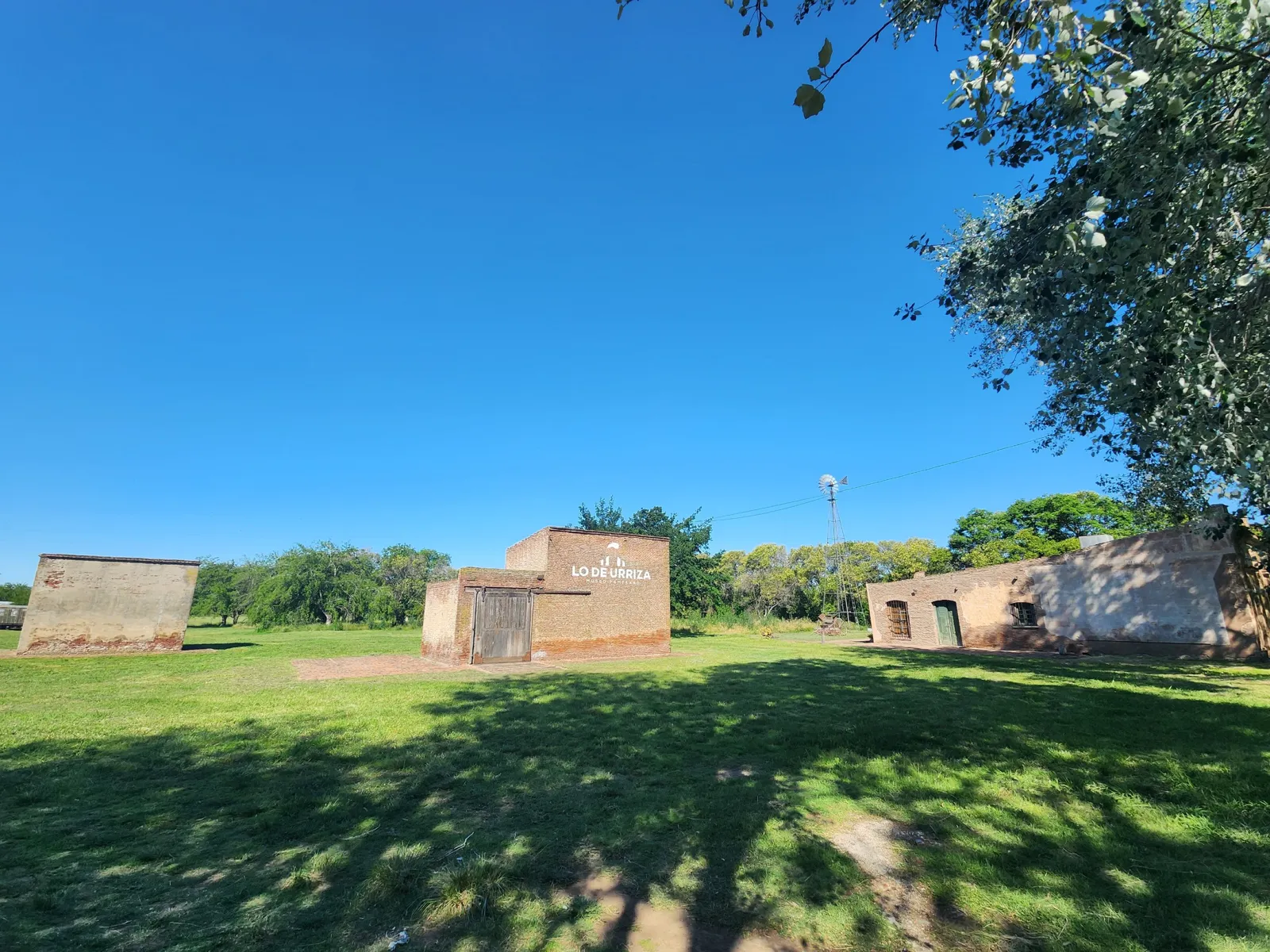 Read the full history
- PrehistoryPampid peoples live in the region as hunter-gatherers along the Luján River.
- 1635A land survey names Antonio de Rocha as a landowner: the name "Cañada de Rocha" is born.
- Colonial eraThe Cañada de Rocha relay post, sixth from Buenos Aires, serves the Camino Real to Upper Peru and Cuyo.
- 1887The Buenos Aires to Pacific railway arrives. Basque immigrant Cristóbal Urriza builds his house and store.
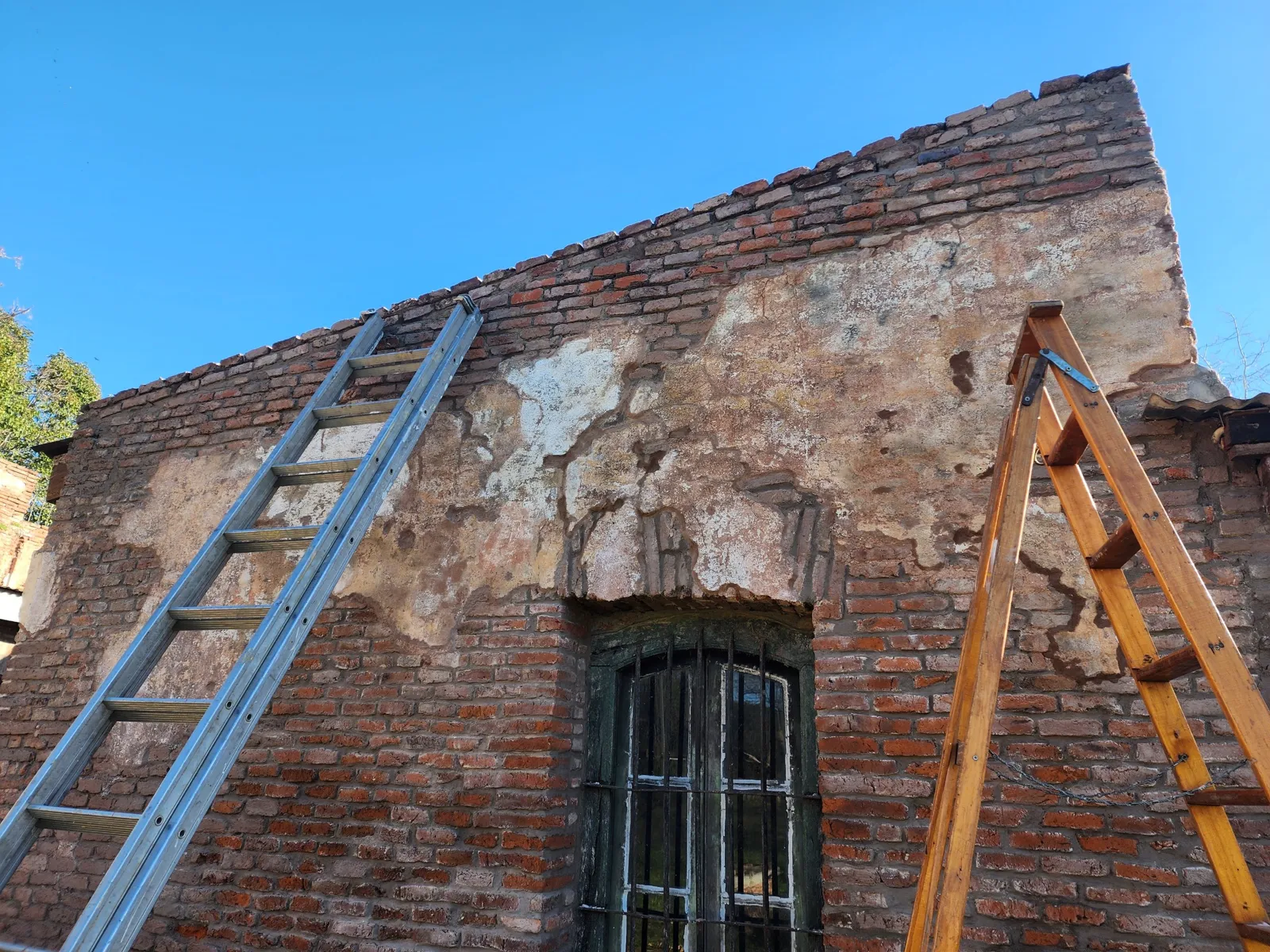
- TodayThe Foundation restores the store as the Pampas Museum and protects the native plants on the grounds.
Education
An open-air classroom
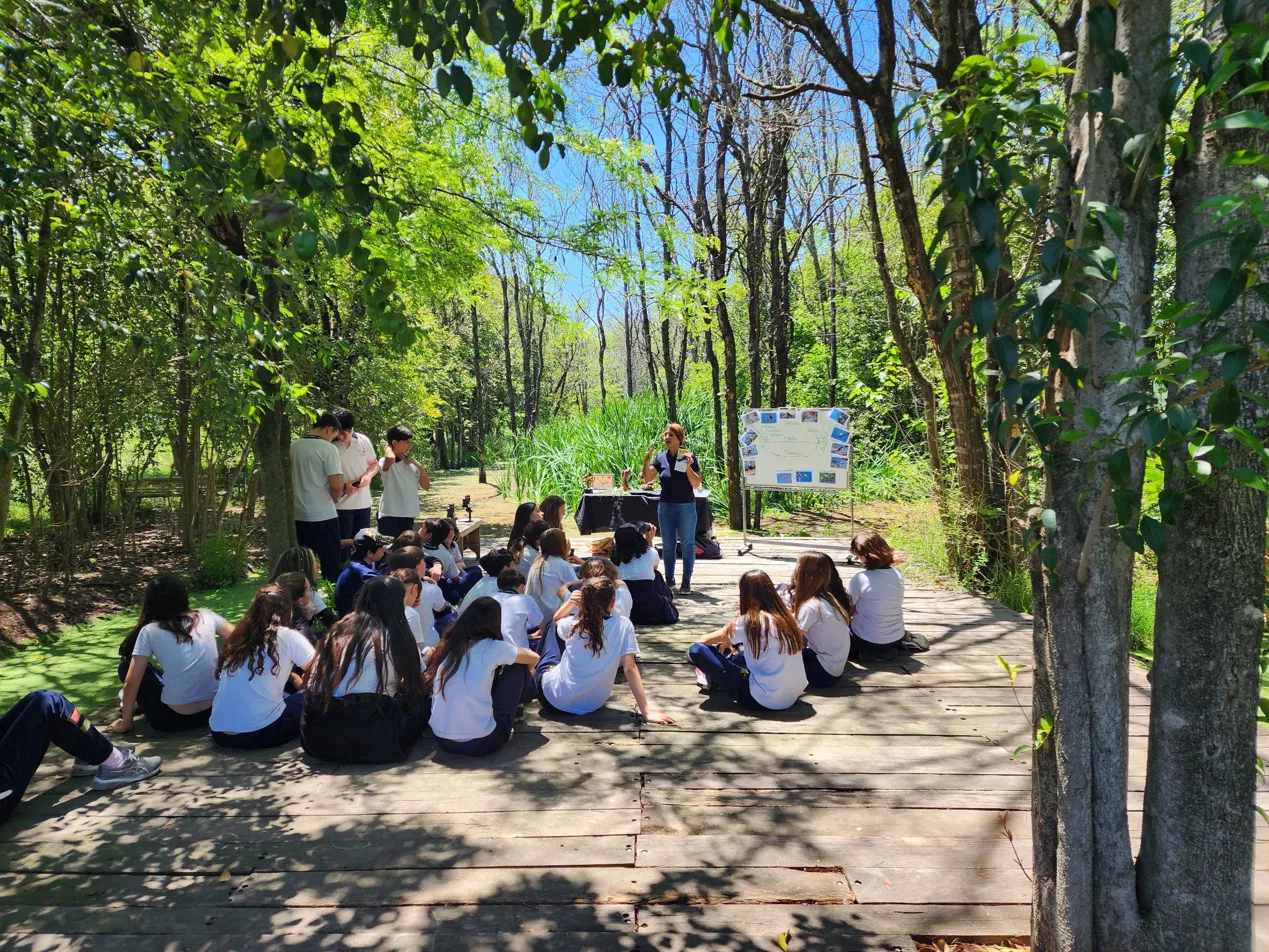
We welcome schools to explore the store and the natural grounds: history, crafts and nature told where they happened.
Book a visit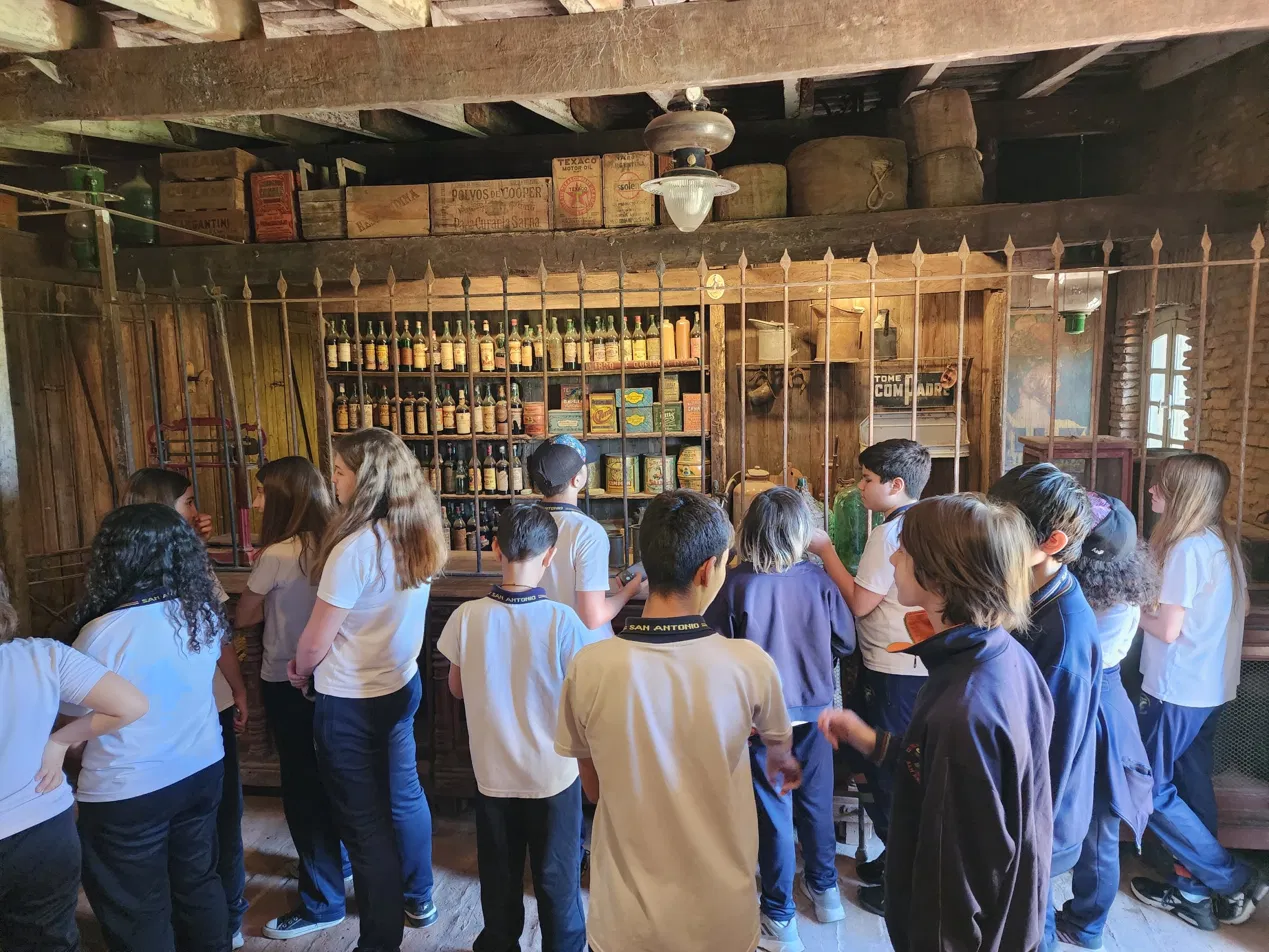
From the blog
News
Become a patron
Help restore the museum and its natural surroundings
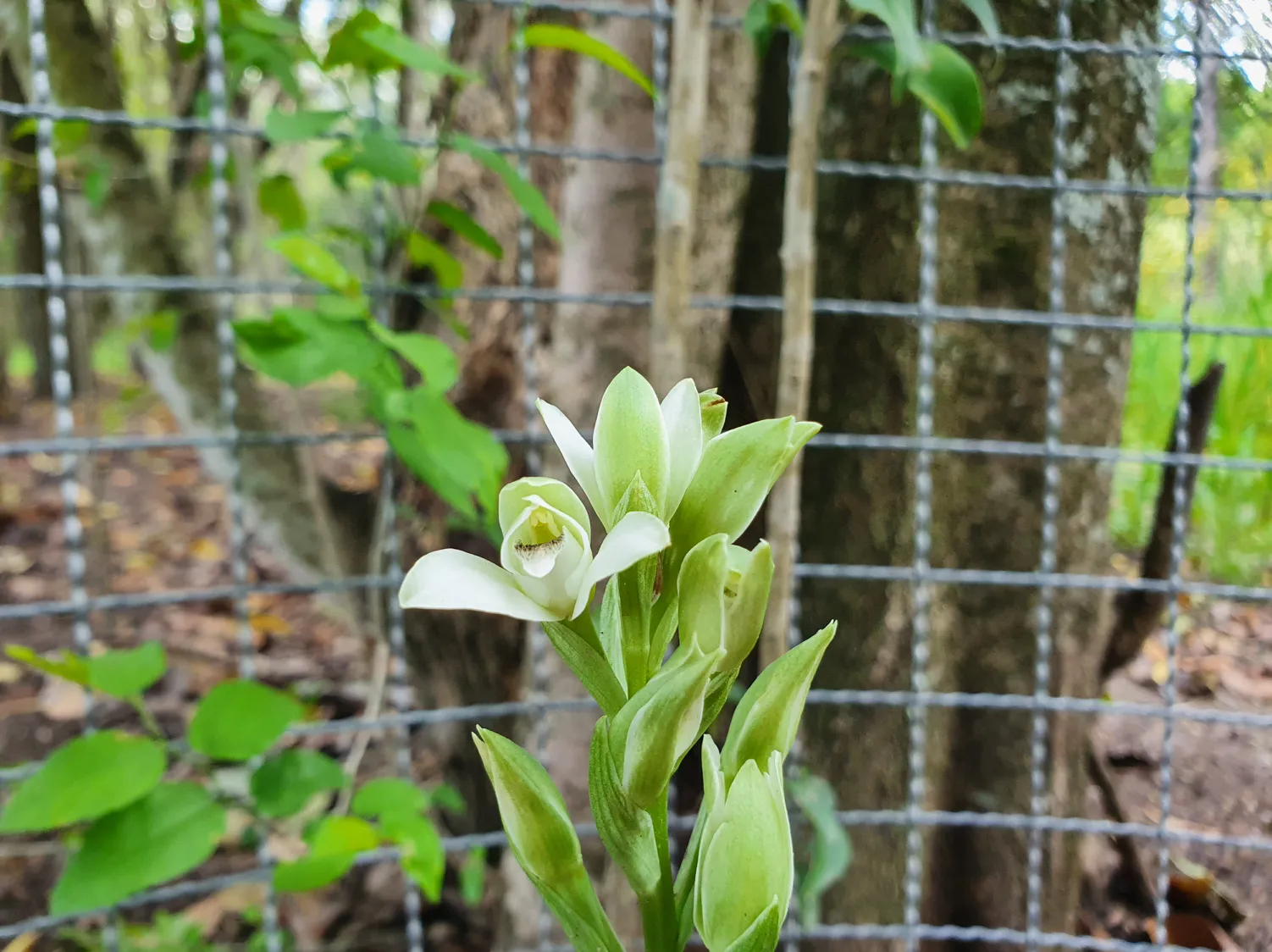
Your gift restores the store's historic buildings, brings 4,000 objects to life and protects the native plants and endangered species on the grounds.
“The time has come to bring to life a project that seeks to share our culture and identity and to help us understand our past in all its complexity.”
President